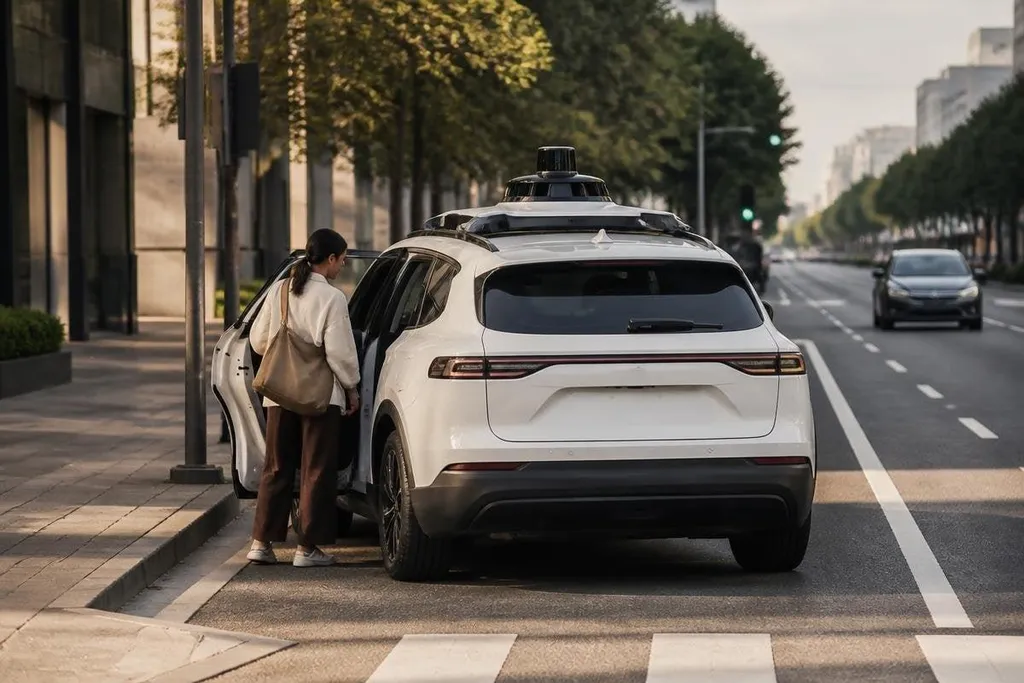
A robotaxi has to do more than drive without a person touching the controls. It must handle traffic, recover from faults, serve passengers, and earn enough money to keep running. That makes the race harder than a software demo.
The useful question is not which company has the most polished video. It is which system can carry passengers safely across many trips, with clear limits and costs that make sense.
- Safety comes first: The system must detect hazards, choose safe actions, and stop when it cannot proceed.
- Service matters: A passenger needs a clean pickup, a working app, and help when a trip goes wrong.
- Costs decide growth: Cars, remote support, charging, repairs, insurance, and mapping all count.
The hard part is the whole trip
Its cameras, radar, software, maps, and onboard computers read the road and choose a path. The difficult work starts when those parts disagree or the road stops matching the map.
A blocked lane may force a new route. A passenger may leave an object in the car. Road workers may move signs or cones. The vehicle needs a safe response in each case, not a prepared move for one test route.
That is why a strong robotaxi system needs a clear fallback. If its software cannot read a scene with enough confidence, the vehicle may need to slow down, stop, or ask a remote operator for help. The handoff must work without leaving the passenger or nearby drivers in danger.
A remote operator also changes the cost of the service. One person may support several vehicles, but the safe number depends on the roads, the software, and the problems that reach the control center.
A business plan that ignores this work is missing part of the driving system.
Safety has to be shown in service
A test vehicle can perform well on a known route and still face hard questions during passenger trips. Operators need records of stopped trips, remote interventions, sudden braking, blocked roads, and situations where the vehicle took a long path around a problem.
Those records help show where the system works and where it needs a tighter operating area. They also give regulators, fleet teams, and passengers something more useful than a smooth demonstration.
A smooth robotaxi clip says little about failed trips, remote help, or limits on the service area. Reporting at Robot24.com can compare the vehicle, company, operating area, and recorded result, so the next question is whether passengers can handle the system when a trip goes wrong.
Safety also includes the passenger experience. A person may need to end a trip early, report a damaged item, reach support, or understand why the car stopped. These details do not look like autonomy research, but they decide whether people use the service again.
The cost is more than the car
A robotaxi operator pays for the vehicle and its sensors, then pays to keep the service running. The bill can include charging, cleaning, maintenance, insurance, map updates, remote support, depot space, and replacement parts.
Autonomous driving may reduce the need for an onboard driver, but that does not make the other costs disappear. A vehicle that needs frequent human help can still require a large support team. A vehicle that avoids help by stopping too often may give passengers a poor service.
The operating area matters as well. A small, well-mapped zone may be easier to manage than a whole city. That narrower service can still be useful if demand is high and trips are regular, but it should not be treated as proof that the same system works everywhere.
I’d judge a robotaxi company by its routine trips and failure records, not by its best demonstration.
What to check before trusting a claim
Use this guide when comparing a robotaxi service, a company announcement, or a pilot program:
- Read the operating limits: Check the roads, weather, hours, speed limits, and conditions the service accepts.
- Ask about human help: Find out when a remote operator steps in and how many vehicles one operator supports.
- Check the safety record: Look for stopped trips, collisions, emergency responses, and changes made after failures.
- Count the service costs: Include cleaning, charging, repairs, insurance, support staff, and vehicle downtime.
- Watch the passenger process: Test pickup, trip changes, emergency help, lost items, and payment support.
The companies that last will need to show steady service across ordinary trips, not only progress on difficult road scenes. Until operators publish enough evidence about safety, human support, and cost per trip, the global robotaxi race is still a test of claims rather than a settled market.