
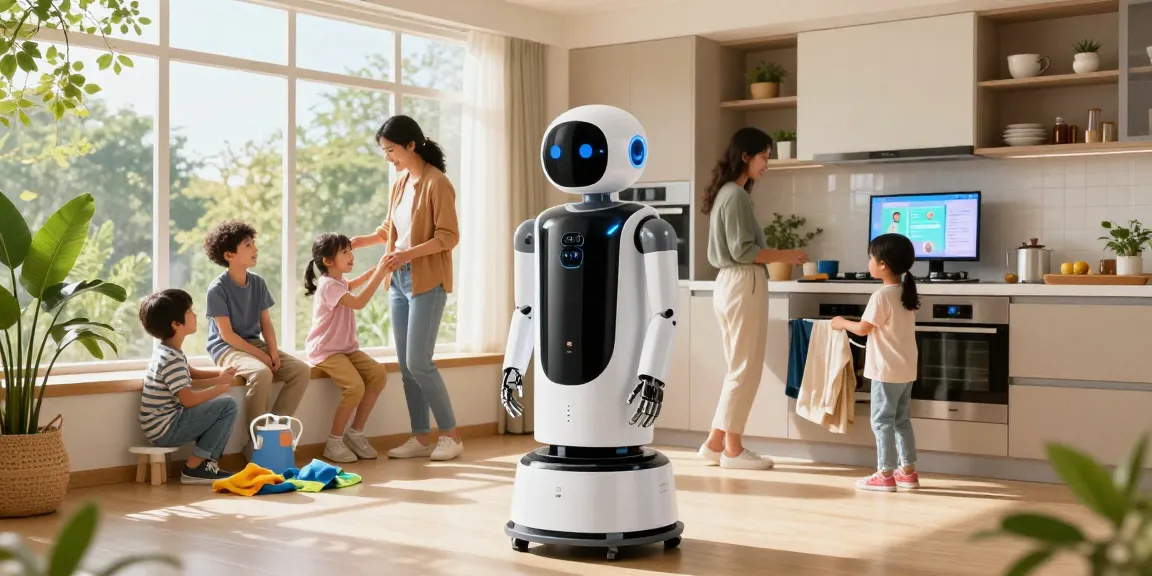
Understanding Home Robots
In recent years, the concept of the home robot has transitioned from science fiction into reality, capturing the imagination of tech enthusiasts and everyday consumers alike. These innovative devices are designed to perform a variety of tasks around the home, providing convenience and efficiency to busy households. As we move further into 2026, the demand for smarter home robots continues to grow, signifying a shift in how we approach daily chores and home management. When exploring options, home robot technology offers comprehensive insights into the latest advancements and options available.
What is a Home Robot?
A home robot is an automated device that operates within a domestic environment to assist with various tasks, primarily aimed at enhancing productivity and comfort. From robotic vacuum cleaners to fully functional humanoid robots capable of complex interactions, the breadth of functionality varies significantly. Home robots utilize artificial intelligence, machine learning, and sensors to navigate and operate effectively within their surroundings, enabling them to complete tasks autonomously.
How Home Robots Enhance Daily Living
Integrating home robots into daily life enhances the living experience in multiple ways:
- Efficiency: Robots can handle repetitive tasks like cleaning and organizing, freeing up time for family and leisure activities.
- Convenience: Many home robots can be scheduled or controlled remotely, allowing users to manage their homes effortlessly.
- Safety: Robots can perform tasks that may be hazardous for humans, such as cleaning high or hard-to-reach areas.
Types of Home Robots Available in 2026
The home robotics market is expanding rapidly, with various types of robots designed to address specific household needs:
- Cleaning Robots: Devices like robotic vacuum cleaners (e.g., Roomba) and floor scrubbers that autonomously clean floors.
- Companion Robots: Humanoid robots designed for interaction and companionship, such as social robots that engage with users and provide entertainment or emotional support.
- Cooking Robots: Innovative appliances that can prepare meals, such as smart ovens and cooking assistants that follow recipes autonomously.
- Gardening Robots: Automated lawn mowers and smart gardening tools that maintain outdoor spaces.
Choosing the Right Home Robot
Selecting the ideal home robot involves evaluating several factors to ensure it meets the specific needs of your household and lifestyle. The following sections will guide you through the critical elements to consider when investing in a home robot.
Factors to Consider Before Buying
Before making a purchase, consider the following:
- Task Requirements: Identify what tasks you need assistance with and choose a robot designed for those specific functions.
- Compatibility: Ensure the robot integrates with your existing smart home devices for optimal functionality.
- Budget: Home robots come in various price ranges. Establish a budget that reflects the features and quality you seek.
Top Home Robots on the Market
As of 2026, several home robots have emerged as top choices among consumers:
- iRobot Roomba j7+ – Known for its intelligent navigation and robust cleaning capabilities.
- Amazon Astro – A versatile household robot equipped with Alexa, designed to assist in monitoring and facilitating tasks.
- Robomow RK – A smart lawn mower that offers efficient yard management.
- Kuri – A companion robot that interacts with users while providing home monitoring services.
Comparing Features and Prices
When evaluating home robots, consider comparing features such as battery life, connectivity options, ease of use, and customer support. Prices can vary widely based on these characteristics. For example, a basic robotic vacuum might start around $200, while more advanced humanoid robots can range upwards of $20,000.
Benefits of Using a Home Robot
The adoption of home robots provides numerous benefits that can enhance both the efficiency of household chores and the quality of life for family members. Here are some of the key advantages:
Time-Saving Household Solutions
Home robots are designed to automate mundane tasks, significantly reducing the time spent on household chores. This time savings allows individuals and families to spend more time engaging in leisure activities and pursuing personal interests.
Improving Home Efficiency with Technology
With the integration of artificial intelligence, home robots can learn user preferences and adapt their operations accordingly. This results in more efficient energy use, optimized task management, and improved overall home productivity.
Enhancing Family Time and Quality of Life
By alleviating the burden of household tasks, home robots contribute to better family dynamics. The reduction of stress related to chores allows families to focus on interactions that matter most, ultimately leading to an improved quality of life.
Challenges and Considerations
While home robots offer a range of benefits, potential buyers should also be mindful of the challenges and considerations associated with their use.
Addressing Privacy and Security Concerns
As home robots become more integrated into daily life, concerns surrounding privacy and data security increase. Users must ensure that their devices are secure and that any data collected is handled responsibly.
Common Misconceptions About Home Robots
There are several misconceptions about home robots, including the belief that they are only for wealthy households or that they can entirely replace human labor. In reality, home robots are valuable tools, designed to complement human efforts and improve efficiency.
Maintenance and Reliability of Home Robots
Like any technology, home robots require regular maintenance to function optimally. Users need to stay informed about care procedures, updates, and troubleshooting to enhance the reliability of these devices.
The Future of Home Robots
The home robotics industry is continuously evolving, with advancements anticipated to further enhance user experience and device capabilities.
Anticipated Trends in Home Robotics for 2027 and Beyond
Future trends point toward increased personalization of home robots, advanced AI capabilities for better task execution, and more affordable options that cater to broader audiences. Developers will likely focus on creating robots that seamlessly integrate into smart home ecosystems, enhancing functionality and user interaction.
Predictions for Home Automation Technologies
As technology progresses, we can expect improved connectivity and compatibility across various smart home devices. This synergy between robots and other household technologies will lead to more sophisticated automation and control options for users.
Expert Insights on Integrating Home Robots into Smart Homes
Experts recommend considering the scalability of home robotics systems. Start with one device and gradually expand your collection as needed, ensuring compatibility with your home’s technological framework.
What tasks can a home robot handle?
Home robots are designed to manage a range of tasks, including cleaning, organization, cooking, and even companionship, depending on their nature and functionalities.
Are home robots safe for homes with pets and kids?
Yes, most home robots are designed with safety features to prevent accidents with pets and children. However, supervision is recommended, especially with newer models.
How much does a home robot typically cost?
Home robots can range from a couple of hundred dollars for basic models to tens of thousands of dollars for advanced humanoid robots. The price often reflects the complexity and capabilities of the device.
What are the top brands for home robots in 2026?
Leading brands in 2026 include iRobot, Amazon, Robomow, and Kuri, among others, each offering a variety of products suited for different needs.
How do I troubleshoot common issues with home robots?
Common troubleshooting steps for home robots include resetting the device, checking battery levels, and ensuring that sensors are clean and unobstructed. Manufacturers often provide specific guides for resolving issues.