
Understanding Site Engineering Setting Out
In the fast-paced construction industry, precision and accuracy are paramount, particularly when it comes to site engineering setting out. This practice is not merely about laying out marks on the ground; it’s a critical phase of construction that translates design blueprints into a physical reality. For professionals across Berkshire and similar regions, understanding the nuances of site setting out is essential for successful project completion.
When exploring options, Site Engineering Setting Out Berkshire offers comprehensive insights into best practices, tools, and the importance of accuracy throughout the setting out process.
What is Site Engineering Setting Out?
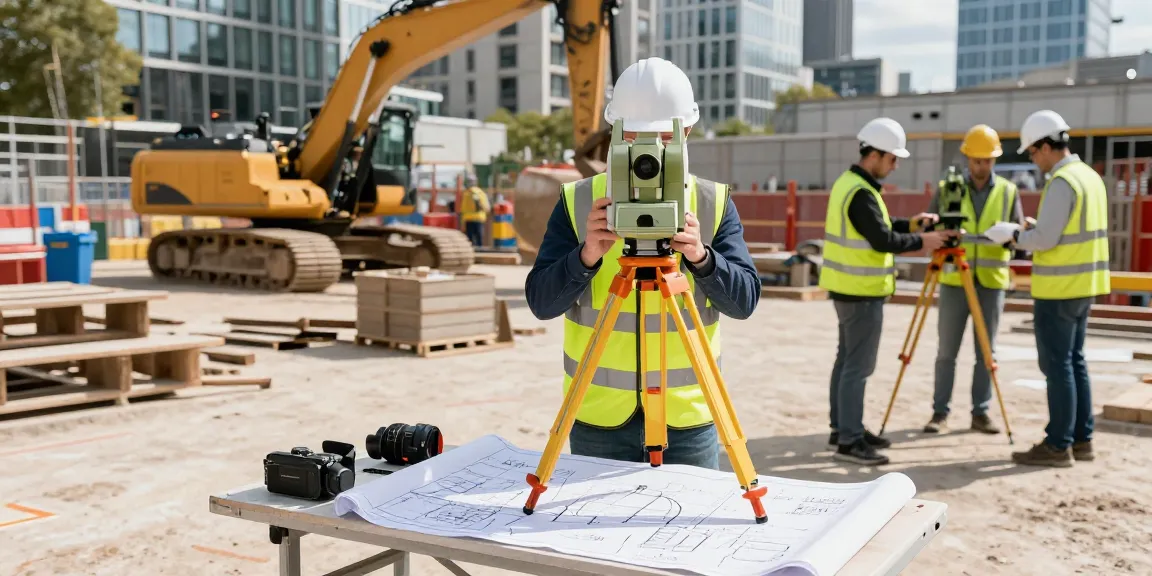
Site engineering setting out is the process of marking the positions and dimensions of proposed constructions on a site. It transforms design plans into physical markers that guide construction activities. Site engineers employ various tools and methods to ensure that every structural element aligns precisely with the project specifications.
This process includes identifying building footprints, laying out utility lines, and determining foundational placements, all of which are essential for ensuring that the final construction matches the intended design. Therefore, the role of a setting out engineer is crucial in maintaining the integrity of construction projects.
Importance of Accurate Measurements
Accurate measurements are vital in construction for several reasons:
- Safety: Incorrect measurements can lead to structural failures, posing risks to both workers and end-users.
- Cost Efficiency: Accurate setting out helps prevent costly rework and material wastage, ensuring that the project stays within budget.
- Time Management: Efficient setting out expedites the construction process, allowing projects to progress smoothly without unnecessary delays.
By ensuring precision in measurements, site engineers uphold the overall quality of construction projects.
Key Tools and Technologies Used
The effectiveness of site engineering largely depends on the tools and technologies employed during the setting out process. Some of the most commonly used tools include:
- Total Stations: Used for measuring angles and distances accurately.
- GPS Equipment: Facilitates precise location tracking and marking.
- Theodolites: Essential for measuring horizontal and vertical angles.
- Levels: Ensures that structures are built on a level surface, crucial for stability.
The Process of Setting Out
The setting out process can be broken down into several key phases that help ensure accuracy and compliance with designs. A thorough understanding of this process enhances the effectiveness of site engineers.
Initial Site Assessment Methods
Before actual setting out begins, site engineers conduct a comprehensive initial site assessment. This may include:
- Surveying the site to understand topography and existing structures.
- Consulting design plans and collaborating with architects to clarify expectations.
- Identifying potential challenges such as underground utilities or natural obstacles.
Through these assessments, engineers establish a clear understanding of the site conditions, which guides accurate setting out.
Marking Positions and Levels Effectively
Once initial assessments are complete, the actual marking of positions and levels can begin. Engineers will:
- Use appropriate tools to mark reference points on the ground, ensuring they align with design specifications.
- Establish critical lines and boundaries that will guide the construction crew.
- Double-check measurements to prevent errors before construction begins.
Verification and Quality Control Practices
After the initial set out, verification and quality control become crucial to ensure compliance with specifications. This includes:
- Conducting thorough checks against design plans to confirm accuracy.
- Employing quality control measures to identify any discrepancies early in the process.
- Adjusting discrepancies before construction starts to avoid complications later.
Effective quality control practices ensure that the construction team has a reliable reference framework to work from.
Common Challenges in Site Engineering
Site engineering, while essential, comes with its own set of challenges that engineers must navigate to ensure project success.
Frequent Errors in Measurements
One of the most common challenges in setting out is the risk of measurement errors. These can arise from:
- Human error during manual measurements.
- Equipment malfunction or miscalibration.
- Environmental factors that impact visibility and measurements, such as poor weather conditions.
To mitigate these errors, engineers must adopt rigorous measurement protocols and utilize advanced technologies that enhance accuracy.
Health and Safety Considerations
Construction sites inherently present health and safety risks. Setting out engineers must ensure that:
- All site operations adhere to health and safety regulations.
- Staff are equipped with appropriate safety gear and trained in site safety measures.
- Potential hazards are identified and managed proactively.
By prioritising health and safety, engineers contribute to a safer working environment, reducing accidents and ensuring compliance with legal standards.
Addressing Environmental Factors
Environmental conditions such as soil type, weather, and existing vegetation can significantly impact setting out effectiveness. Engineers must:
- Consider the environmental context when marking out positions and levels.
- Work around challenges such as wetlands or contaminated land effectively.
- Stay adaptable to changing conditions, which may require recalibrating plans.
Best Practices for Site Engineers in Berkshire
To excel in site engineering setting out, professionals must adopt best practices tailored to local conditions and industry standards.
Strategic Planning Techniques
Strategic planning involves careful consideration of project timelines, resource allocation, and collaboration. Engineers should:
- Map out detailed project timelines that allow for flexibility in the setting out phase.
- Develop contingency plans for potential setbacks, ensuring that the project can adapt without significant delays.
- Engage stakeholders early to ensure alignment with project goals and expectations.
Innovative Technologies in Use
Embracing innovative technologies can greatly enhance the effectiveness of site engineering. Engineers in Berkshire should consider:
- Using drones for aerial site surveys to gather data efficiently.
- Incorporating Building Information Modelling (BIM) to visualise projects in a virtual environment.
- Utilising augmented reality tools that allow for real-time comparisons of design plans and site conditions.
Case Studies from Local Projects
Learning from successful local projects can provide invaluable insights into effective site engineering practices. Consider reviewing:
- Case studies that demonstrate the benefits of advanced surveying technologies.
- Examples of projects that navigated complex site conditions successfully.
- Interviews or reports from experienced local site engineers about their lessons learned.
The Future of Site Engineering in 2026 and Beyond
The field of site engineering is continuously evolving, especially with the rapid advancement of technology and shifting industry standards. Understanding future trends will be crucial for professionals looking to remain competitive.
Emerging Trends to Watch
Several trends are likely to influence the landscape of site engineering, including:
- Increased automation in surveying processes, reducing the need for manual measurements.
- Growth in sustainable building practices influencing design and setting out requirements.
- Advancements in machine learning algorithms that improve project predictions and efficiencies.
Impact of Technology on the Field
As technology continues to evolve, its impact on site engineering will be profound. Professionals can expect:
- Heightened precision due to the integration of artificial intelligence in surveying tools.
- Improved collaboration through cloud-based project management tools that allow for real-time updates and communication.
- The ability to conduct more detailed analyses of projects using data analytics to identify potential issues before they arise.
Preparing for Sustainability Standards
With a growing emphasis on sustainability, site engineers must prepare to meet new standards by:
- Understanding local environmental regulations and their implications for setting out.
- Proposing sustainable solutions during the planning phase of projects.
- Incorporating materials and methods that reduce environmental impact throughout the construction process.
What are the main responsibilities of a setting out engineer?
The primary responsibilities of a setting out engineer include ensuring that construction projects are laid out accurately according to design specifications, managing site surveys, and coordinating with various teams to ensure compliance with safety and engineering standards.
How can errors in setting out be minimised?
Minimising errors in setting out can be achieved through rigorous training, adopting advanced surveying technologies, conducting thorough site assessments, and implementing quality control measures throughout the process.
What technologies are best for site engineering?
Some of the best technologies for site engineering include total stations, GPS surveying equipment, drones for site surveys, and Building Information Modelling (BIM) tools that facilitate design visualisation and collaboration.
Is health and safety training mandatory for setting out engineers?
Yes, health and safety training is mandatory for setting out engineers to ensure that they can identify potential hazards and work safely on construction sites, complying with legal standards and best practices.
What can I expect from a setting out service in Berkshire?
A quality setting out service in Berkshire should provide accurate marking of positions, comprehensive project assessments, ongoing communication with stakeholders, and adherence to safety and quality standards throughout the construction process.